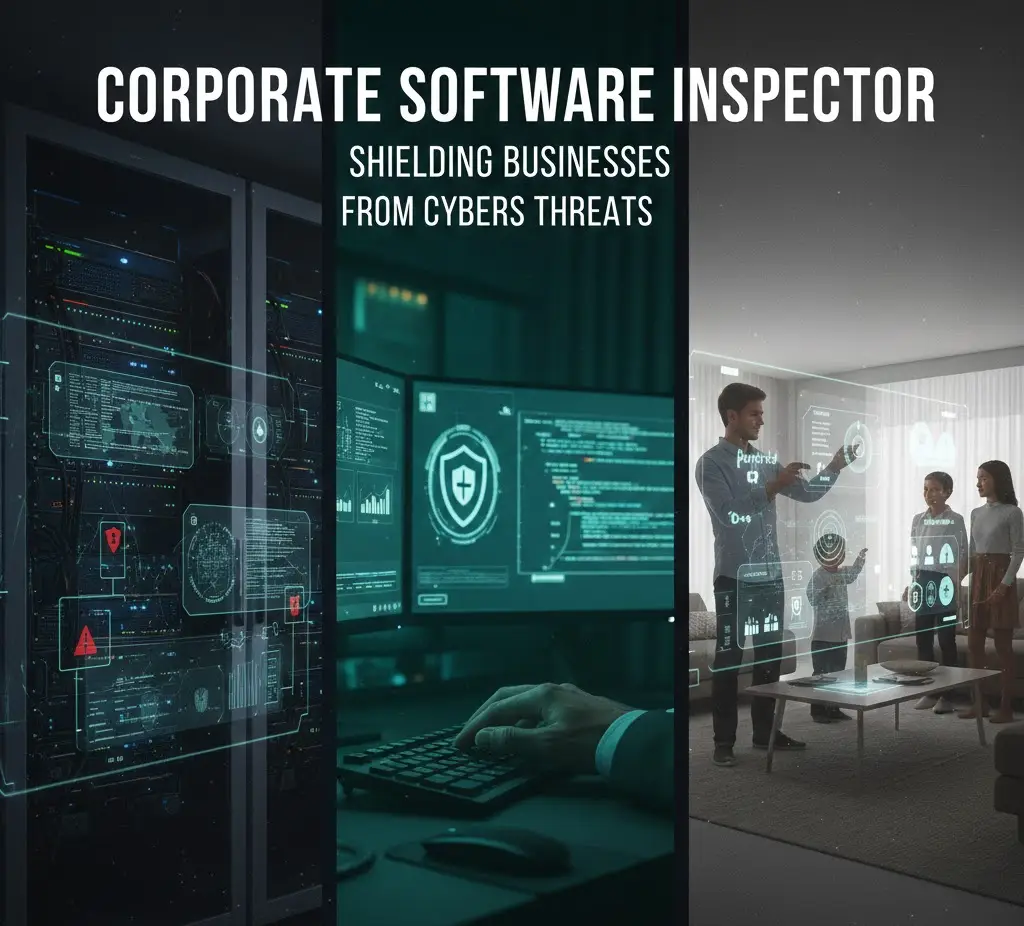
Software runs almost every part of a modern company. From managing customer data to handling finances and internal operations, businesses depend on complex digital systems every day. As this dependence grows, so do concerns around security, compliance, performance, and ethical use. This is where the concept of a corporate software inspector becomes important.
A corporate software inspector plays a critical role in making sure that software systems are reliable, safe, and aligned with business and legal expectations. Understanding this role helps organizations reduce risks and build long-term digital trust.
What Is Corporate Software Inspector?
A corporate software inspector is a professional or system responsible for reviewing, testing, and evaluating software used within an organization. The goal is to ensure that applications meet quality standards, follow regulations, and function as intended.
This inspection can involve checking source code, reviewing system behavior, verifying security controls, and confirming compliance with internal policies. In simple terms, it is about making sure company software is doing the right things in the right way.
Core Functional and Technical Profile
Corporate software inspection covers several technical and operational areas. Each area supports stability and accountability within the organization.
One key component is code quality analysis. Inspectors look for errors, inefficient logic, or risky coding practices that could cause failures later. Clean code reduces maintenance costs and improves performance.
Another important area is security assessment. This includes identifying vulnerabilities, testing access controls, and ensuring data is protected from unauthorized use. With increasing cyber threats, this function is essential.
Compliance review is also central to the role. Software inspectors verify that systems follow industry standards, internal rules, and legal requirements such as data protection laws.
Performance and reliability testing are often included. Inspectors evaluate how software behaves under stress, how it scales, and how quickly it responds in real-world conditions.
Benefits of Corporate Software Inspection
One major benefit is risk reduction. Early identification of bugs or security gaps prevents costly failures and breaches.
Another advantage is regulatory confidence. Inspected software is more likely to meet legal and industry standards, reducing the risk of penalties or audits.
Corporate software inspection also improves operational efficiency. Well-reviewed systems run smoother, require fewer emergency fixes, and support better decision-making.
There is also a trust factor. Employees, partners, and customers feel more confident when systems are reliable and secure.
Practical Usage in Daily Business Operations
In daily operations, corporate software inspectors support teams behind the scenes. Before a new system is launched, they help ensure it is stable and safe.
During updates or system changes, inspectors review modifications to avoid unexpected issues. This keeps workflows uninterrupted.
They also assist management by providing clear reports on software health, risks, and improvement areas. These insights support better planning and investment decisions.
How to Apply Corporate Software Inspection Daily
Organizations can apply software inspection as an ongoing practice rather than a one-time task.
Start by defining clear quality and security standards. These standards guide what inspectors should look for.
Use regular review cycles. Periodic inspections help catch problems early and keep systems aligned with business goals.
Encourage collaboration between developers and inspectors. When both sides work together, issues are solved faster and learning improves.
Document findings and actions. Clear records build accountability and help track long-term improvement.
Broader Impact on Organizations and Society
At an organizational level, software inspection supports ethical technology use. Systems that respect privacy and data rights contribute to responsible digital practices.
Socially, reliable corporate software protects users from data misuse and service failures. This builds trust in digital services overall.
From an environmental angle, efficient software uses fewer computing resources. Optimized systems can reduce energy consumption in data centers over time.
Challenges, Risks, and Limitations
One challenge is resource demand. Skilled inspectors, tools, and time require investment, which smaller organizations may find difficult.
Another limitation is complexity. Large systems with many integrations can be hard to inspect fully, increasing the chance of missed issues.
There is also a risk of over-reliance on tools. Automated inspections are useful, but human judgment is still necessary for context and ethics.
Resistance from development teams can occur if inspection is seen as control rather than support. Clear communication helps reduce this tension.
Traditional Background and Modern Relevance
Software inspection has roots in early quality assurance practices, where manual code reviews were standard in engineering teams.
Over time, as systems grew more complex, inspection methods evolved. Automated testing, static analysis, and security scanning became common.
In modern environments, the role is more relevant than ever. Cloud computing, remote work, and data-driven systems increase both opportunity and risk, making inspection essential.
Industrial and Advanced Applications
In large enterprises, corporate software inspection is integrated into governance and risk management frameworks. It supports audits, mergers, and compliance programs.
Industries such as finance, healthcare, and manufacturing rely heavily on inspection to meet strict safety and data standards.
Advanced applications include continuous inspection using automated pipelines. These systems review code and configurations in real time as changes are made.
Beginner-Friendly Approach: How to Start at a Small Scale
Even small teams can apply the principles of corporate software inspection.
Begin with basic code reviews. Having a second person review changes improves quality quickly.
Use simple security checklists to confirm access controls and data handling practices.
Adopt open-source tools for static analysis and vulnerability scanning. Many are easy to use and effective.
Most importantly, build a culture that values careful review and responsibility, not just speed.
Conclusion
A corporate software inspector is a key safeguard in the digital foundation of any organization. By ensuring quality, security, and compliance, this role protects both businesses and users from avoidable risks.
As software continues to shape how organizations operate, inspection will remain essential for trust and stability. Its future lies in smarter tools, stronger collaboration, and a deeper focus on ethical technology use.
Investing in proper software inspection is not about slowing progress. It is about building systems that last, perform well, and serve people responsibly.
Also Read: Aajtakjobs: A Simple Guide to Government and Private Job Updates