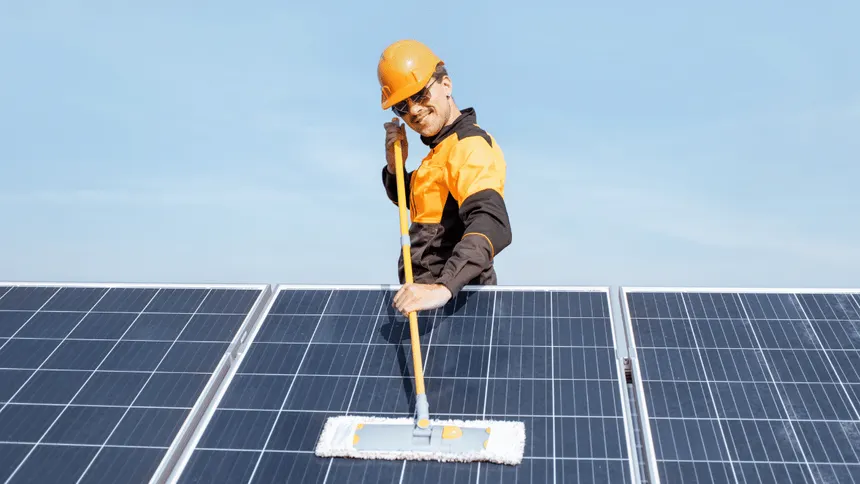
Solar energy systems are designed to work for many years with minimal maintenance. Once installed, many people assume solar panels simply continue generating power without needing attention. While solar panels are generally low maintenance, one important task is often overlooked: cleaning.
Dust, dirt, leaves, bird droppings, and other debris can collect on the panel surface over time. This buildup may block sunlight and reduce the system’s ability to perform efficiently. Understanding why cleaning matters, how often it should be done, and the safest cleaning methods can help maintain better long-term performance.
Clean Panels Help Capture More Sunlight
Solar panels work by converting sunlight into electricity. To generate energy efficiently, sunlight needs to reach the solar cells through the panel’s protective glass surface.
When dirt and debris accumulate, they create a barrier between the sun and the panel. Even a thin layer of dust can reduce the amount of sunlight reaching the cells.
The impact may seem small at first, but over time the reduction can affect energy production, especially in areas with heavy dust, pollution, pollen, or limited rainfall.
Regular cleaning helps ensure that panels receive maximum exposure to available sunlight.
What Builds Up on Solar Panels?
Different environments create different cleaning challenges.
In dry regions, dust and sand can settle on panels and gradually form a layer across the surface. In cities, pollution particles may combine with moisture and leave residue.
Homes near trees may experience falling leaves, pollen, sap, or bird activity. Agricultural areas can also expose panels to dirt and organic particles from nearby fields.
Coastal locations sometimes face salt buildup due to ocean air.
The type of accumulation often depends on local weather and surroundings.
Why Dirty Panels Can Affect Performance
Not all dirt causes the same impact.
Small amounts of dust may only create a slight reduction in output. However, concentrated debris such as bird droppings or thick dirt patches can block specific areas of a panel.
Because solar panels contain multiple connected cells, shading one section can affect the performance of a larger portion of the system.
If buildup remains for extended periods, some areas may experience uneven heating, sometimes called hot spots, which can affect long-term panel health.
Keeping surfaces reasonably clean supports more consistent operation.
How Often Should Solar Panels Be Cleaned?
There is no single cleaning schedule that works for every location.
Many systems may only need cleaning once or twice a year if rainfall regularly washes away light dirt.
However, some conditions may require more frequent attention:
- Areas with heavy dust or sand
- Homes near construction sites
- Regions with little rainfall
- Locations surrounded by trees
- Areas with frequent bird activity
- Industrial zones with higher pollution levels
A visual inspection often helps determine whether cleaning is needed.
If noticeable dirt covers the panels or energy output appears lower than expected, it may be time for maintenance.
Weather Conditions Also Play a Role
Rain can remove loose dust and dirt, but it does not always provide complete cleaning.
Sticky materials such as bird droppings, pollen, tree sap, and oily residue may remain after rainfall.
Seasonal weather patterns can also affect cleaning needs. During dry periods, debris may build up more quickly because natural washing from rain becomes limited.
Strong winds can carry dust onto panels even in areas with relatively clean environments.
Regular observation often matters more than following a strict calendar schedule.
Safe Methods for Cleaning Solar Panels
Cleaning solar panels does not require harsh products or specialized chemicals in most situations.
The safest approach usually involves simple tools and gentle handling.
Use clean water and a soft sponge, microfiber cloth, or soft brush designed for delicate surfaces. Remove loose debris carefully without scratching the glass.
If needed, use mild soap mixed with water.
Avoid abrasive materials because they may damage protective coatings.
The goal is to remove buildup without creating surface wear.
Timing Matters During Cleaning
The time of day can influence the cleaning process.
Panels exposed to direct sunlight can become very hot. Spraying cold water onto hot glass may create sudden temperature changes.
Cleaning during early morning or evening hours is generally safer because panel surfaces remain cooler.
Cooler conditions also make cleaning more comfortable and reduce water evaporation.
Cleaning Mistakes to Avoid
Some cleaning methods may create more problems than benefits.
High-pressure washers can damage panel seals or force water into sensitive areas.
Harsh chemicals may affect protective coatings and leave residue behind.
Using rough brushes or metal tools can scratch the glass surface.
Walking directly on solar panels should also be avoided because panels are not designed to support body weight.
Gentle cleaning is usually more effective than aggressive cleaning.
Professional Cleaning Services and Larger Systems
Large residential systems and commercial installations may require professional cleaning.
Panels mounted on steep roofs or hard-to-reach locations can present safety concerns.
Professional cleaners often use equipment designed specifically for solar surfaces and may follow methods that reduce the risk of accidental damage.
For systems in difficult locations, professional maintenance can be a practical option.
Final Thoughts
Solar panels require relatively little maintenance, but cleaning remains an important part of preserving long-term performance.
Dust, debris, and environmental buildup can gradually reduce the amount of sunlight reaching the panels. The frequency of cleaning depends on location, weather conditions, and surrounding environmental factors.
Simple cleaning practices, regular inspection, and careful handling can help support efficient operation and maintain the condition of solar systems over time.
FAQs
Q: Can dirty solar panels reduce electricity production?
Yes. Dirt and debris can block sunlight and lower energy generation.
Q: Do solar panels need cleaning after rain?
Rain may remove some dust, but sticky residue and heavy buildup can remain.
Q: Can I clean solar panels with a pressure washer?
Pressure washing is generally not recommended because it may damage components.
Q: How can I tell if my panels need cleaning?
Visible dirt buildup or unexpected drops in energy output can indicate that cleaning may be needed.