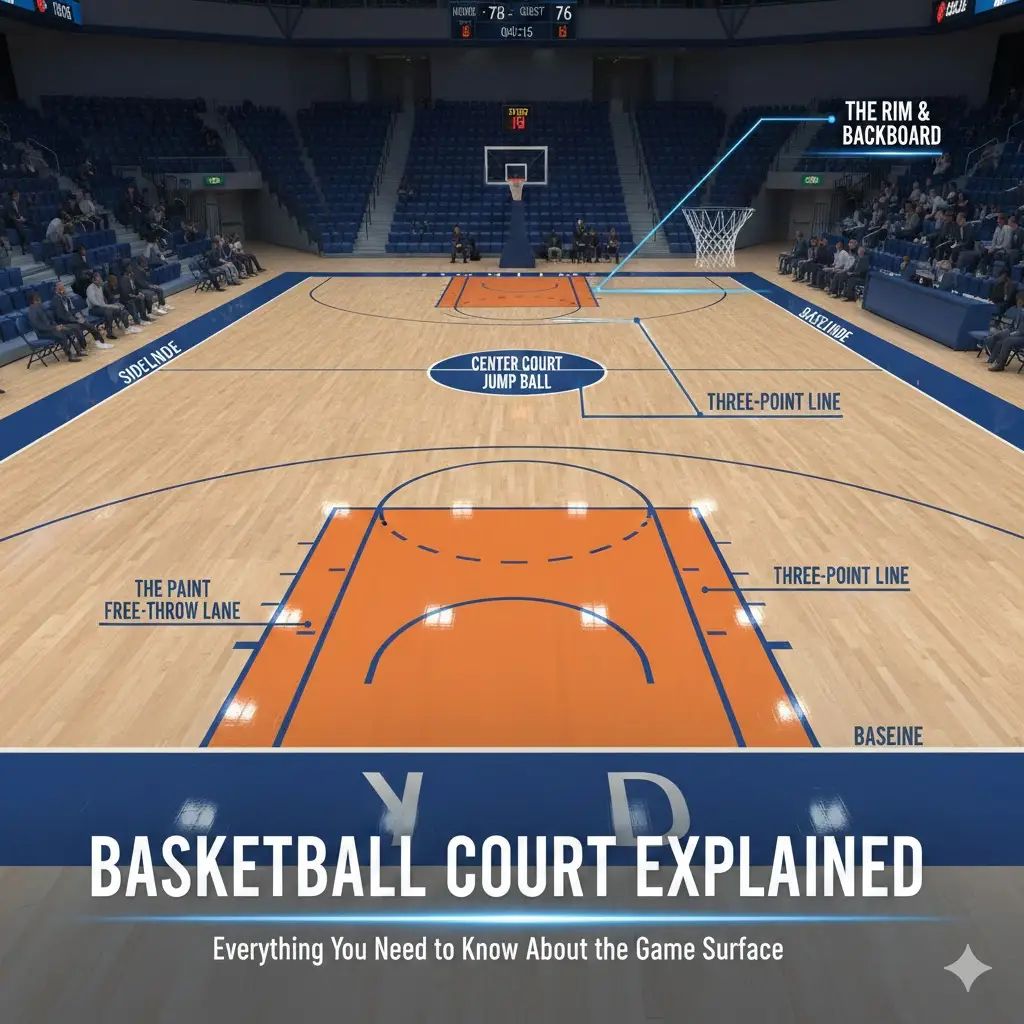
An basketball court is much more than a place to play. It’s a thoughtfully designed place where the art of strategy as well as fitness and teamwork are a part of the. From arenas for professional sports to community playgrounds, school and professional parks, the surface is what defines the way in which the sport is played and experience. The understanding of its layout, the materials as well as standards can help players, coaches and fans appreciate the game on a more profound and more profound level.
The design of modern courts is constantly evolving with the advancement of technological advancements, improvements in safety, and innovations that focus on performance. No matter if you’re just in the field or looking to construct a play court, a solid understanding of the fundamentals is the very first stage.
What Is Basketball Court and Why It Matters
An Basketball court has a rectangular court surface that is marked by specific lines, zones and borders that govern gameplay. The lines and boundaries guide the player’s movement as well as scoring and position throughout a game. Each line is designed to serve a specific purpose in determining the right shots to guaranteeing fair play.
The importance of a correctly constructed court is not limited to regulations. A properly designed court and its dimensions directly impact player safety as well as ball movements as well as overall efficiency. Since the sport is growing globally standard court layouts will guarantee consistency throughout different types of playing.
Standard Dimensions and Layout of a Basketball Court
The courts for recreational and professional play share the same structure. However, the dimensions can differ slightly based the play level.
A standard court has a length of 94 feet and 50 feet wide when playing at a professional level. The layout includes the central circle, the three-point circle, free throw lane along with sidelines, baselines, and the baseline. Each one of these is crucial to the way that the game plays out.
The visibility of marks is vital. The high-contrast paints and the precise measurement ensure that referees and players are able to make swift decisions in the fast-paced game.
Key Features of a Basketball Court You Should Know
Most well-known elements include the backboard, hoop and the painted zones. The rim sits at a height of 10 feet over the floor and is consistent across different levels of competition. The free-throw line and three-point area are the primary scoring possibilities and defensive tactics.
Surface texture is a crucial aspect. In indoor courts, the majority of courts make use of polished hardwoods for better control over bounce and grip. However, outdoor courts use cement or acoustic surfaces designed for weather resistance. The choices you make affect the speed of play, as well as comfort and durability over the long run.
Types of Basketball Courts and Playing Environments
Courts are classifiable according to the location and manner in which they’re used. They are typically located in schools, arenas as well as sports facilities. They provide consistent conditions, and offer professional-level performance.
The courts for outdoor play are popular for use in both residential and public parks. They are designed to last and let players enjoy games in open areas. Street courts encourage creativity and participation in the community, whereas schools focus on teaching basics and teamwork.
Every environment is unique and contributes to the growth of players as well as the spirit of sport.
Materials and Modern Innovations in Court Construction
Modern materials have revolutionized how courts are made. The shock-absorbing layer reduces joint stress, and enhanced coatings improve the grip and resistance to water. Modular flooring allows for quicker installation, and less maintenance.
Sustainability is the key to shaping the future. Green materials, as well as energy-efficient lighting are now becoming the norm in new construction projects and aligning the facilities for sports with sustainability.
Maintenance and Safety Considerations
Regular maintenance will ensure longevity as well as safety. Cleaning up debris, filling scratches, and refreshing the markings will prevent injuries while also preserving the quality of play. On indoor surfaces, cleaning and moisture control ensures the best grip.
Security features like adequate drainage, non-slip surfaces, and cushioned surroundings ensure a safe and secure space for all players.
Frequently Asked Questions About Basketball Court
What is the recommended frequency for an basketball court be maintained?
The frequency of maintenance is contingent on the use. Courts that are heavily trafficked get weekly inspections as well as frequent surface resurfacing.
Basketball courts can be made to fit the needs of a home?
Yes, residential courts are able to be customized with regard to dimensions, material of the surface, and color, while adhering to the basic rules of layout.
What is the best surface for courts that are played outdoors?
Acrylic coating on concrete is popular due to its the durability, grip and resistance to weather.
Do court dimensions remain identical across the globe?
Dimensions are generally standard however, slight variances exist among professional leagues and international organizations.
Also Read: 8 Best Golf Grips in India for Enhanced Grip and Accuracy